
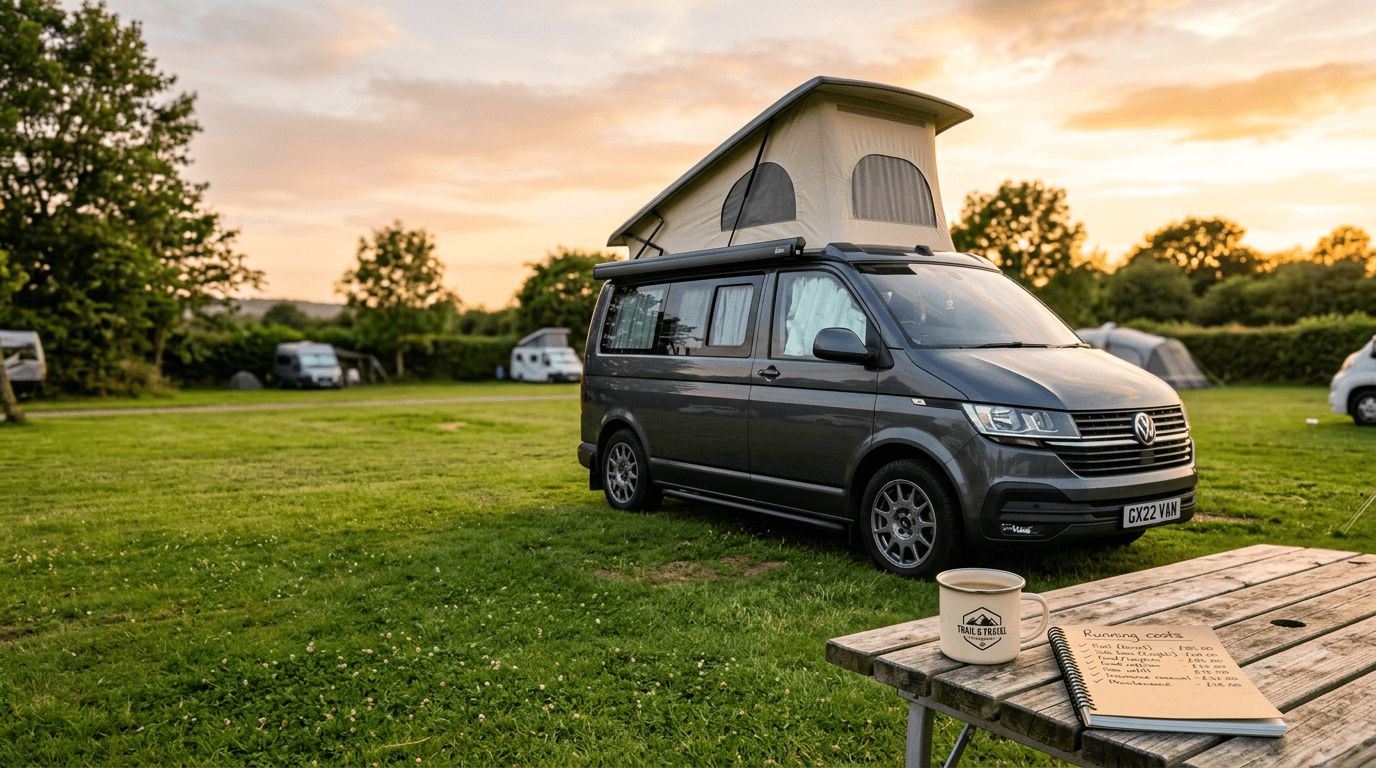
Running costs
What does a campervan really cost to run?
The purchase price is just the beginning. Plan for the costs of owning it — and actually using it.
The quick answer
Running a campervan is a mix of predictable, yearly costs and variable costs that go up or down depending on how (and how often) you use it.
Fixed yearly costs
The essentials you’ll usually pay for whatever your plans: insurance, vehicle tax, MOT, servicing, habitation check and (if you need it) storage.
Costs that depend on use
The more you travel, the more you’ll spend on fuel, campsites, ferries and tolls. These can vary a lot depending on how far you go and the type of trips you do.
The costs people forget
Things like a repairs reserve, LPG and consumables, upgrades and accessories, finance interest and long-term depreciation can all add up.
Could I comfortably afford this campervan even in a year when I hardly use it?
Build your annual budget
Use this template to estimate what it might cost you each year to run your campervan. Add your own figures based on quotes, your insurer and how you plan to use it.
| Running cost (per year) | Your estimate |
|---|---|
| Insurance | |
| Vehicle tax & MOT | |
| Vehicle servicing & tyres | |
| Habitation check | |
| Storage (if needed) | |
| Breakdown cover | |
| Fuel & campsites | |
| Repairs reserve | |
| Estimated annual total |
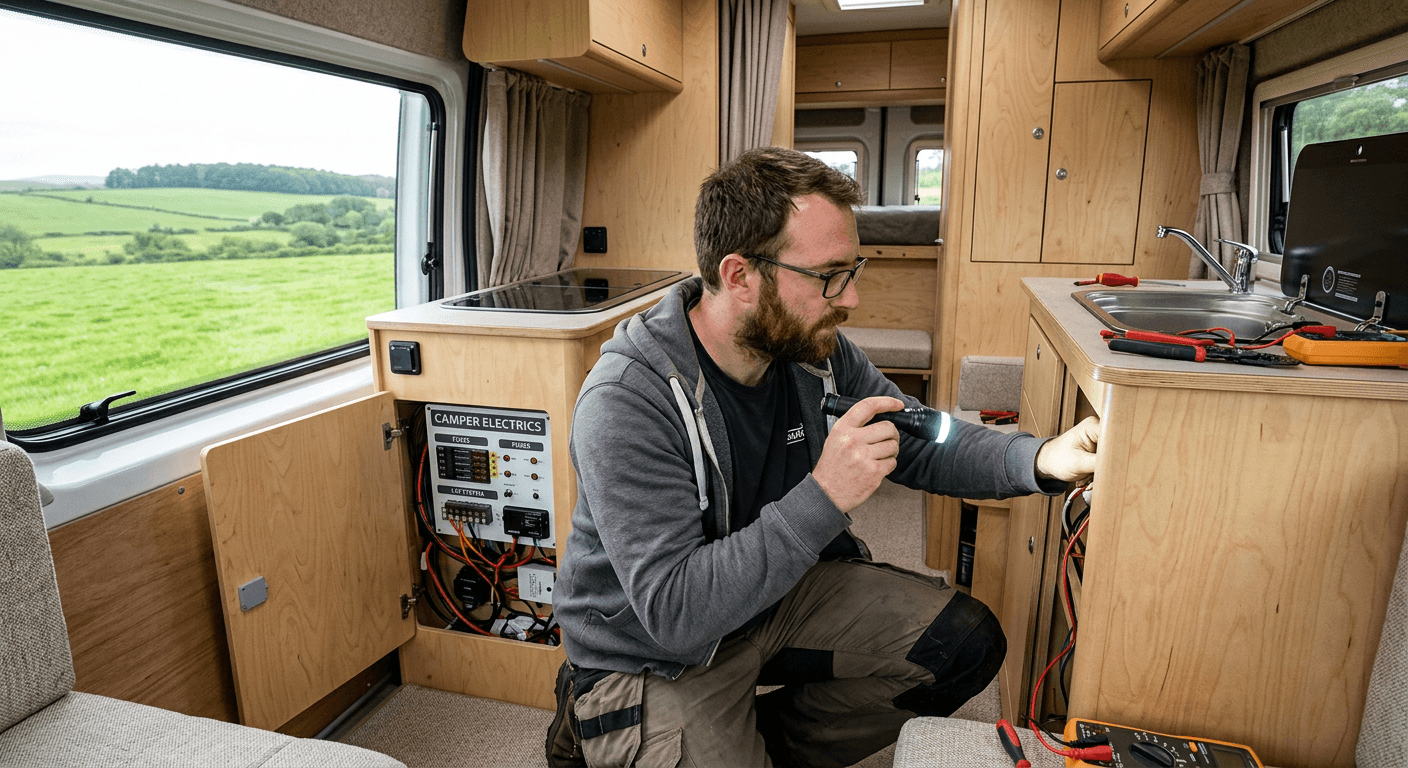
Habitation checks aren't MOTs
A habitation check looks at the living side of your campervan — gas, electrics, water, damp and safety systems.
They're usually recommended annually, particularly for insurance and safety, and may be a requirement of your conversion or equipment warranty.
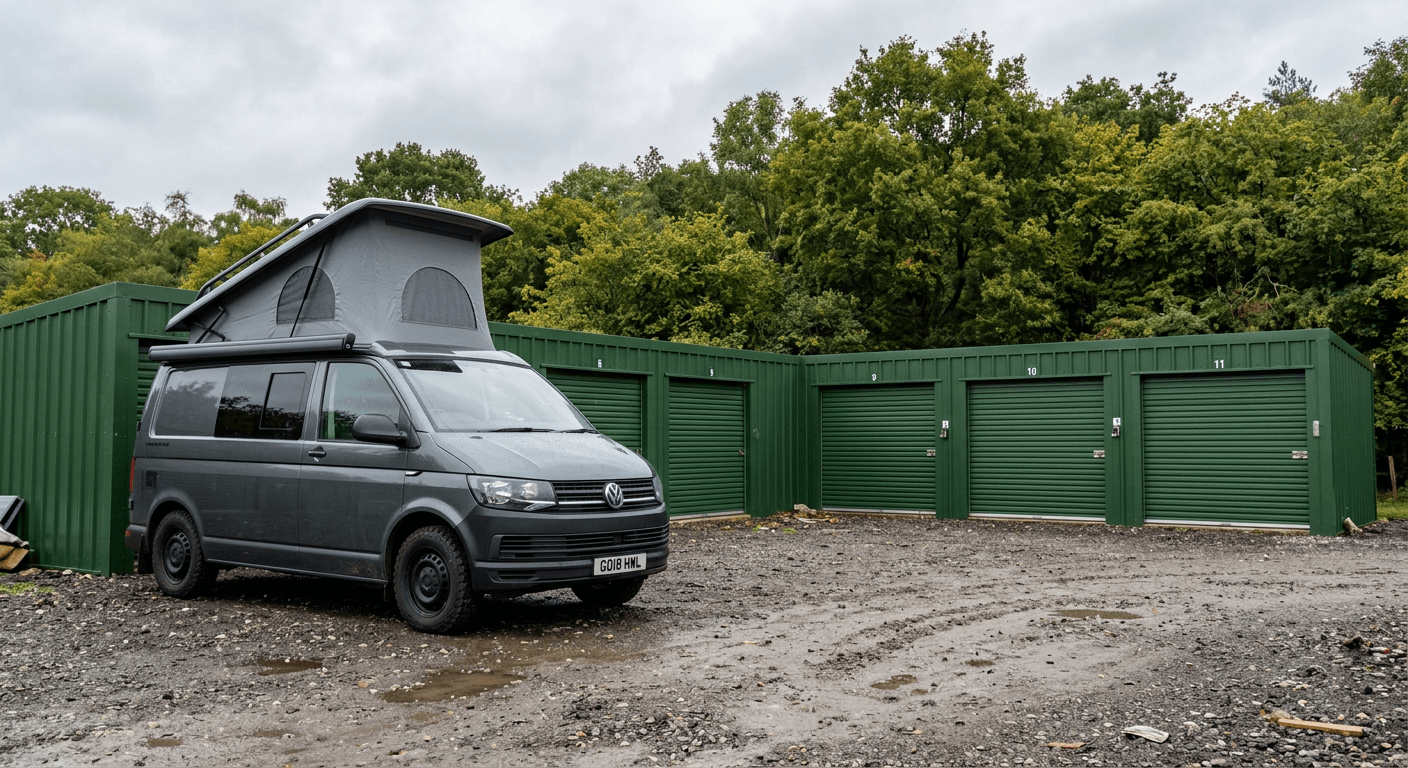
Where will it live?
Not everyone has space at home, so it's worth thinking about where you'll keep your campervan when you're not using it.
- Home driveway – convenient and no extra cost (nice if you have the space), but not always possible and may not suit everyone.
- Paid storage – secure, often with CCTV and controlled access, but it’s an additional annual cost to factor into your budget.
Hidden costs worth planning for
These aren't always front of mind, but they can make a real difference to the true cost of ownership.
Depreciation
Campervans typically lose value over time, so it’s worth factoring in the long-term cost of ownership.
Finance interest
If you’re using a loan or finance, include the interest payments in your overall running costs.
LPG & consumables
Refills for heating and cooking, plus everyday consumables like water treatment, toilet chemicals and cleaning bits.
Ferry, tolls & clean air zones
Trips further afield can add extra costs, from ferry crossings and toll roads to clean air zone charges in some cities.
Accessories & upgrades
Extras like awnings, bike racks, solar or more power can really enhance your trips — but they do add to the cost.
Winter maintenance
If you use your campervan through winter, budget for things like winter tyres, extra servicing and protecting the water system.
What does that mean per night?
A simple way to look at value is to spread your annual ownership cost over the number of nights you expect to use it each year.
Cost per night
Illustrative only — your actual costs will depend on your campervan, usage and personal circumstances.

Real life: how I budget for my T6.1
I treat my T6.1 a bit like a mini-home on wheels. I set aside money each month to cover the main running costs — insurance, tax, servicing, the habitation check and a repairs reserve — so there are no nasty surprises.
It gives me the freedom to use it when the weather (and life) allows, without worrying about a big annual bill landing all at once.
Five questions before you buy
A quick checklist to help you decide if the running costs will work for you.
- 1What are the non-negotiable annual costs (insurance, tax, servicing, habitation check)?
- 2Will you need to pay for storage?
- 3How often and how far do you expect to travel each year?
- 4Do you need a repairs reserve for unexpected costs?
- 5If you’re financing it, how does the interest affect your overall budget?
Watch or listen
Prefer to take this in as a video or podcast? Pick your platform and play the latest Campervan Considered episodes right here.
Sources & assumptions
This guide is based on common ownership costs, manufacturer and insurer guidance, and my own experience running a T6.1 campervan. It's a general guide only — check the details for your specific vehicle, insurer and usage.
Next in Choosing Your Campervan
Van size
Now you've got a handle on running costs, take a look at which campervan size might suit you.